
Our promise is to be our customers’ No.1 choice by offering all the products, parts and specialist services they need.
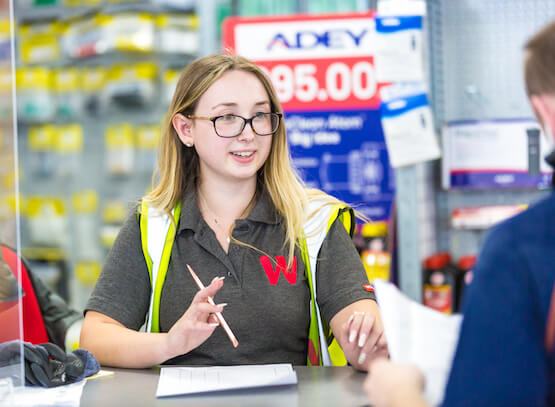
Welcome to the Wolseley Group
The Wolseley Group is a leading plumbing, heating and cooling and infrastructure trade specialist merchant in the UK. We aim to be the first choice for trade customers across the country.
We take pride in offering excellent specialist know-how, being easy to do business with and offering confidence that the price is right. Making sure we deliver on our promises.
We build our businesses through the quality of our people; the excellent service they provide and their strong relationships with customers and suppliers.
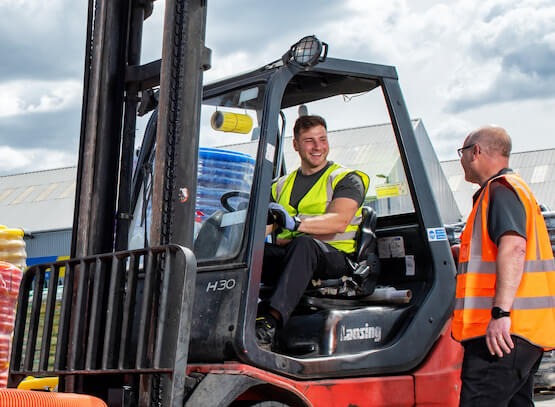
Helping our customers do more
From our offices in Warwick and Ripon, to our distribution centres in Melmerby, Milton Keynes, and Measham and around 560 branches across the UK, our people work together to give our customers great service every day.
Our infrastructure businesses also serve professionals in the construction industry through a number of trading brands – Wolseley, Burdens Civils, Fusion Utilities, and Wolseley Managed Services.
Our William Wilson business supplies plumbing, heating and bathroom supplies to customers across Scotland.
Our brands

Wolseley
A leading plumbing, heating and cooling trade specialist merchant in the UK.

Burdens
A civil engineering and underground drainage product and service expert, operating a national network of strategically located branches, each providing stock in depth from industry leading manufacturers.

Fusion Utilities
A nationwide multi-utility supply chain partner, dedicated to providing best-in-class products, expertise and innovation, for water, gas, power and fibre providers. Also includes a leading hire and repair service.
Visit the Fusion Utilities website

William Wilson
Suppliers of plumbing, heating and bathroom products to a wide customer base in Scotland.

Managed Services
A bespoke supply chain solution for social housing organisations, local authorities, national retail and supermarket chains, and the MOD.

Bassetts
An award-winning plumbers’ merchant with trade counters and bathroom showrooms located across Northern Ireland.

DHS
Located in Guernsey in the Channel Islands, experts in the supply and design of heating and bathroom systems as well as other essential building supplies.

Neville Lumb
A market-leading supplier of commercial sanitaryware to new build and refurbishment projects across the UK.
Our values

Safety, Health & Wellbeing
We put each other's safety, health, and wellbeing first.

Exceptional Service
We deliver exceptional service to our customers.

Nurturing Potential
We nurture each other's extraordinary potential.

Fairness & Respect
We treat each other with fairness and respect.

Positive Impact
We have a positive impact on global and local communities.
Our financial performance
The annual report and accounts for Wolseley Group Holdings Limited for the year ended 31 July 2023 can be found here.
Annual Report and Accounts 2023
The mid-year trading update for Wolseley Group Holdings Limited for the six months ending 31 January 2023 can be found here.
Our leadership team

Simon Gray
Chief Executive Officer

Nicky Thomas
Chief Financial Officer

John Hancock
Chief Operating Officer, Wolseley Group

Roger Connett
Chief Technology Officer

Nicky Randle
General Counsel

Sarah Broughton
Chief HR Officer

Wolseley during the Coronavirus pandemic
Find out how Wolseley helped keep the UK operating during the coronavirus pandemic.
More about our coronavirus response